


Key Takeaways
- India must recognize its soldiers and veterans as strategic national assets.
- Policies must work seamlessly and respectfully to ensure the welfare of soldiers and veterans.
- Conversations around trauma, transition, and purpose must be normalized for mental health and reintegration.
The story from that cold evening in 1997, when Bill Clinton stopped his motorcade to sit beside a forgotten veteran, is not just a moving anecdote. It is a reflection of a nation’s conscience.
But it raises a deeper question for us. Does India treat its soldiers and veterans with the same depth of dignity?
And more importantly. Are we truly walking that talk?
The Indian Soldier: Not Just a Uniform, but a Lifelong Commitment
An Indian soldier is not merely a warrior on the border. He is a son, a father, a husband, and above all, a silent sentinel of the nation.
• Standing guard at Siachen Glacier in temperatures that drop below -50°C
• Scaling the heights of Kargil under enemy fire
• Fighting unseen threats in the dense jungles of the Northeast
• Safeguarding the Rajasthan border in scorching heat.
An Indian soldier is not just a warrior on the border. He is a son, a father, a husband, and above all, a silent sentinel of the nation. Standing guard at Siachen Glacier in temperatures that drop below -50°C, scaling the heights of Kargil under enemy fire, fighting unseen threats in the dense jungles of the Northeast, and safeguarding the Rajasthan border in scorching heat.
The Silent Battle After War
Just like in the United States, India too faces a difficult truth, The war may end, but a soldier’s battle often does not.
• Post-traumatic stress and emotional strain
• Challenges of reintegration into civilian life
• Economic and social adjustments
• In some cases, being overlooked by the system
India has millions of veterans who live with dignity and pride, but there are also those who slip through systemic cracks.
India’s Commitment: Policy Meets Responsibility
Over the years, India has taken several important steps, but the reality is more layered than it appears.
1. One Rank One Pension (OROP)
A long-pending demand that saw partial fulfilment, but in its entirety, the scheme remains incompletely implemented.
The principle of true parity, across ranks and across time, still continues to be debated within the veteran community.
2. Ex-Servicemen Contributory Health Scheme (ECHS)
Designed as a healthcare backbone for veterans, but, In comparison to Central Government Health Scheme (CGHS), ECHS has not been handled with the same seriousness and institutional efficiency.
• Infrastructure gaps
• Limited empanelment in some regions
• Administrative delays

Much has been done, but much more remains to be done.
3. Directorate General Resettlement (DGR)
A structured pathway for second careers, helping veterans transition into civilian roles with dignity.
4. Recognition & Memorials
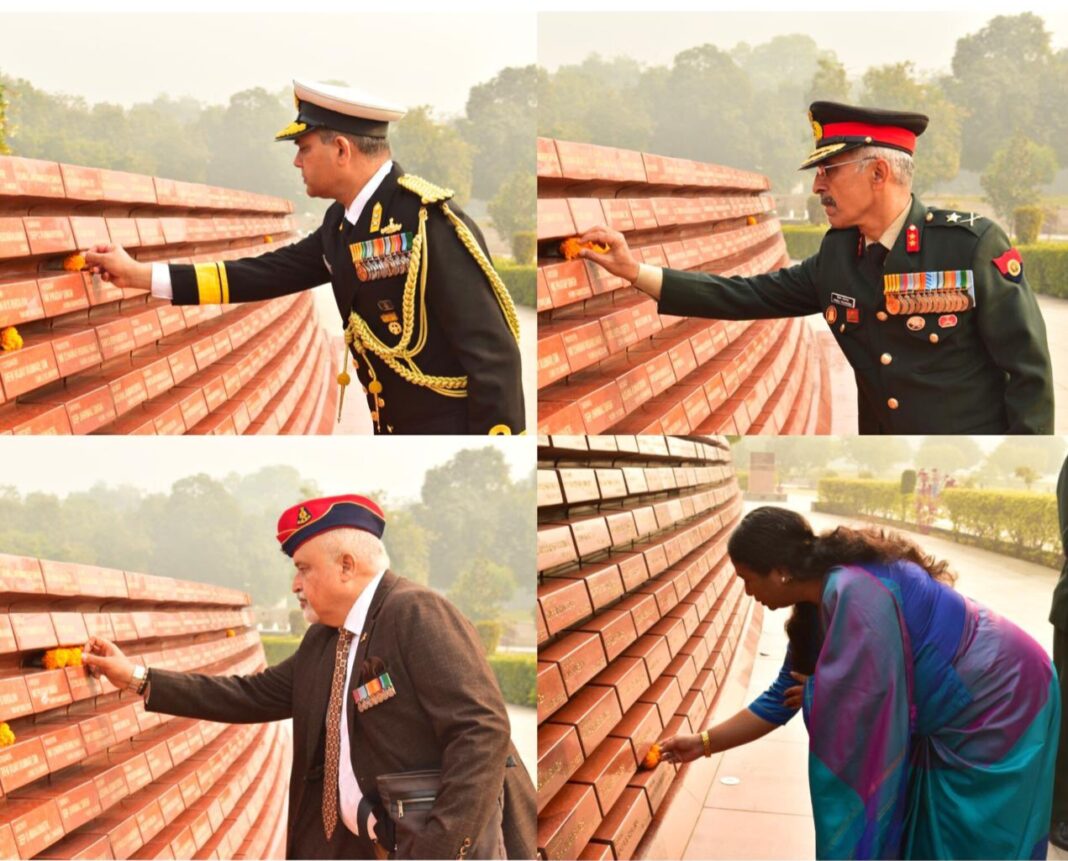
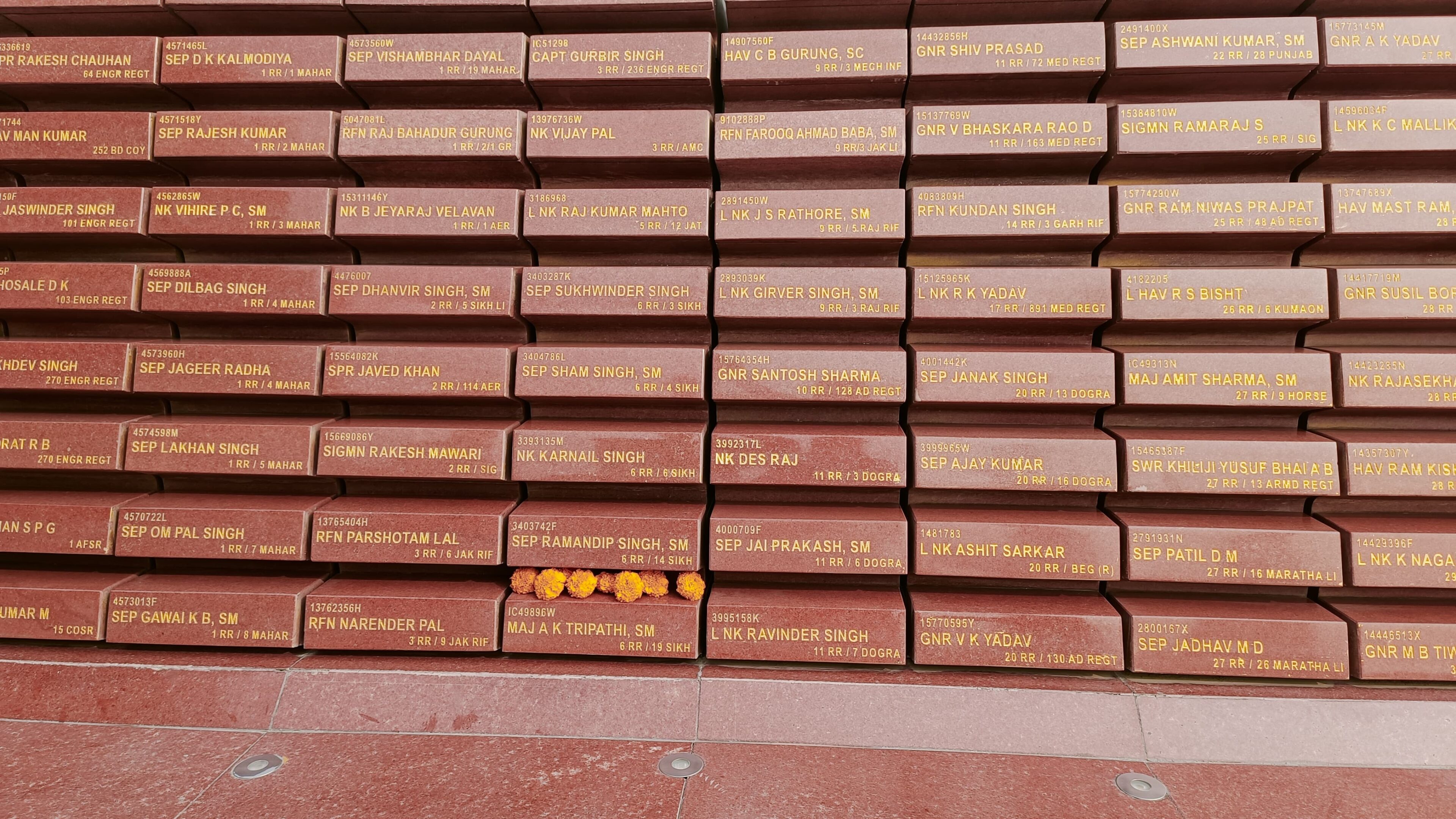
Places like the National War Memorial stand as solemn reminders that the nation remembers. But remembrance must go beyond stone and flame, it must reflect in everyday policy and practice.
5. A Growing Concern: Taxation of Disability Pension
For decades, much into the British rule, disability pensions for armed forces personnel enjoyed income tax exemption, a recognition that these were not mere financial benefits,
but compensation for physical and psychological sacrifice in service of the nation.
However, recent budgetary provisions have altered this long-standing principle.
• The exemption has been curtailed/stopped in certain contexts
• There has been widespread resentment within the serving ranks and veteran fraternity
• Despite repeated representations and feedback,
there appears to be limited responsiveness to these concerns
This is not merely a fiscal issue, it strikes at the moral contract between the soldier and the state.
The Real Question
Here lies the uncomfortable truth, Policies exist. Intent exists. But sensitivity must match scale.
Clinton’s story teaches us something deeper: A nation’s strength is not measured only by military capability or economic power, but by how it treats its soldiers when they no longer stand in uniform.
The Way Forward for India
1. A Soldier is Always a Soldier – Veterans must be seen not as beneficiaries, but as strategic national assets.
2. Institutional Sensitivity – Policies must not just exist, they must work seamlessly and respectfully.
3. Mental Health & Reintegration – Normalize conversations around trauma, transition, and purpose.
4. Corrective Policy Feedback Loops – When the veteran community speaks, the system must listen, adapt, and respond.
Final Thought – #MayankSays
Clinton gave a soldier his coat, but more importantly, he restored his dignity.
India does not lack respect for its soldiers, but respect must consistently translate into action, policy, and empathy.
No soldier, serving or retired, should ever feel that the nation they served has moved on without them.
Because, “The true strength of a nation lies not in its weapons, but in how it stands by those who once carried them for its defence.”