

Key Takeaways
- Arvind Kejriwal’s journey from a messiah of change to a symbol of betrayal has exposed his true priorities.
- Kejriwal’s party, AAP, has been accused of corruption, flip-flopping on issues, and compromising principles for political expediency.
- The concept of Swaraj, a decentralized and participatory democracy, has been neglected in Kejriwal’s governance.
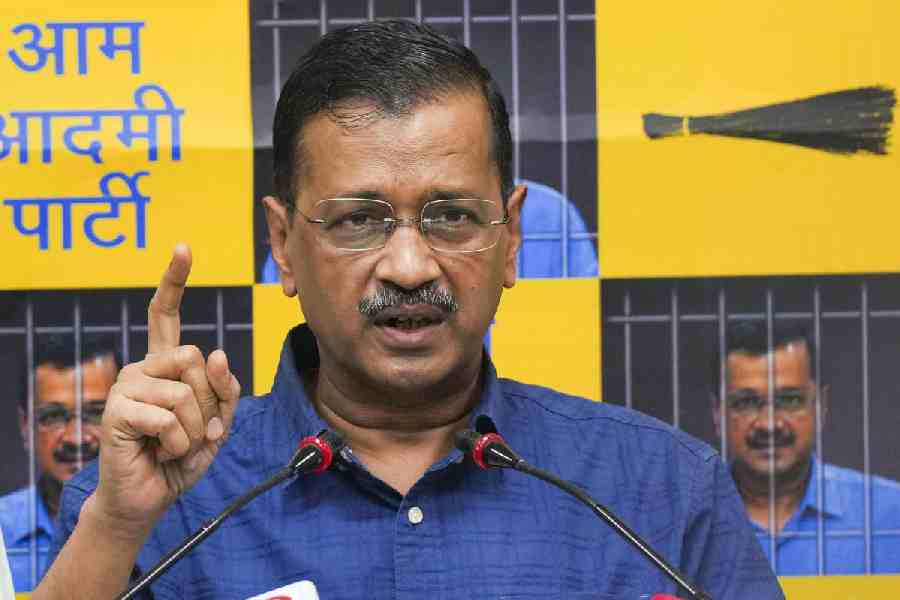
Arvind Kejriwal’s emergence from the anti-corruption movement in 2011 marked a turning point in Indian politics. He symbolized the voice of the Aam Aadmi, promising transparency, honesty, and a commitment to eradicating corruption. Yet, over the years, his journey has become a tale of betrayal. Kejriwal, once a man of the masses, appears to have forsaken the very principles that catapulted him to fame, leaving the common man disillusioned and his legacy in question.
Kejriwal’s rise to prominence was fueled by a deeply entrenched public frustration with corruption and misgovernance. The India Against Corruption movement, led by Anna Hazare, became a platform for him to channel his ambitions into politics. When Kejriwal founded the Aam Aadmi Party (AAP) in 2012, he pledged to revolutionize governance, dismantle corruption, and bring power to the people through his vision of “Swaraj”—a decentralized and participatory democracy.
The initial success of AAP was remarkable. Kejriwal’s electoral debut in the 2013 Delhi Assembly elections saw him topple the mighty Sheila Dikshit, ending the Congress party’s 15-year rule in Delhi. The common man, who saw Kejriwal as one of their own, rejoiced. For the first time, there was a genuine belief that someone was standing up for their rights, unafraid to take on the big players of Indian politics.
Kejriwal’s first stint as Chief Minister lasted only 49 days. While he claimed his resignation was due to his inability to pass the Jan Lokpal Bill, critics saw it as a political gamble aimed at positioning himself as a national leader. The abrupt resignation marked the first sign of Kejriwal’s willingness to put personal ambition over the responsibilities he owed to the people who had placed their faith in him.
When AAP returned to power in 2015 with a historic mandate, winning 67 out of 70 seats, it seemed that the people of Delhi had forgiven him. But what followed was a series of actions that exposed Kejriwal’s true priorities. The man who promised to fight corruption and stand for the “Aam Aadmi” quickly became mired in controversies that contradicted his claims of being different from traditional politicians.
Kejriwal’s early promise of decentralized governance was soon replaced by an authoritarian style of leadership. His party, which once prided itself on internal democracy, saw prominent founding members like Yogendra Yadav and Prashant Bhushan being unceremoniously ousted. These were individuals who had helped build the party’s credibility and were vocal about maintaining its ethical foundations. Their expulsion highlighted Kejriwal’s unwillingness to tolerate dissent and his preference for absolute control.
The same pattern of centralized decision-making extended to governance. Despite promising participatory governance through “mohalla sabhas,” Kejriwal’s administration became increasingly opaque. Decisions were made behind closed doors, and the common man’s involvement in policymaking became a distant dream.
One of the most glaring aspects of Kejriwal’s political journey is his constant flip-flopping on issues. He built his initial reputation as an anti-corruption crusader but has since been accused of turning a blind eye to alleged corruption within his own party. Instances such as the alleged liquor policy scam and irregularities in the construction of classrooms have raised serious questions about his commitment to transparency.
Furthermore, Kejriwal’s alliances with controversial political figures have often puzzled his supporters. From cozying up to leaders with questionable track records to remaining silent on critical national issues, his actions have shown a willingness to compromise principles for political expediency. This opportunism has left many wondering if his initial anti-establishment stance was ever genuine.

While Kejriwal has touted his government’s achievements in education and healthcare, these successes have often been exaggerated and overshadowed by the larger narrative of neglect and betrayal. For instance, while the Delhi government’s “Mohalla Clinics” have been praised, many of them remain non-functional or poorly maintained. Similarly, the much-publicized improvements in government schools often fail to address the systemic challenges faced by Delhi’s education system.
Beyond policy failures, Kejriwal’s approach to governance has often been marked by populism rather than meaningful change. Free electricity and water schemes may garner votes, but they do little to address the structural issues that perpetuate inequality. Instead of empowering the “Aam Aadmi,” these policies create a culture of dependency, undermining the very ethos of Swaraj that Kejriwal once championed.
As his political career progressed, it became evident that Kejriwal’s ambitions extended far beyond Delhi. His attempt to expand AAP’s footprint to other states often came at the expense of focusing on Delhi’s governance. In pursuit of a national presence, he diverted resources and attention, leaving the people of Delhi—his core constituency—feeling abandoned.
Moreover, Kejriwal’s image as a humble, selfless leader has been tarnished by allegations of extravagance and financial misconduct. Reports of lavish spending by his government and a lifestyle that contradicts his earlier image as a frugal, anti-establishment leader have only added to the disillusionment.
Kejriwal’s political journey is a stark reminder of the dangers of unchecked ambition. From being the torchbearer of change, he has become yet another politician consumed by the trappings of power. His tenure has not only disillusioned the people who once believed in him but has also undermined the broader movement for alternative politics in India.
For the “Aam Aadmi” who placed their trust in Kejriwal, the sense of betrayal runs deep. They expected a leader who would fight for their rights, stand against corruption, and deliver good governance. Instead, they got a politician who prioritized personal glory over public service, leaving them feeling abandoned and disillusioned.
Arvind Kejriwal’s rise and fall serve as a cautionary tale for Indian politics. He had the opportunity to redefine governance and be a true representative of the common man. Instead, he chose the path of personal ambition, betraying the very ideals that brought him to power.
For the millions who believed in his vision, Kejriwal is no longer the leader they once admired. He is, instead, a painful reminder that even the most promising leaders can lose their way when they prioritize power over principles. In ditching the “Aam Aadmi” for his own aspirations, Kejriwal has not only failed as a leader but has also diminished the hope for genuine change in Indian politics.