

Key Takeaways
- The Bangladesh government has reported a significant increase in dengue-related cases and fatalities this year.
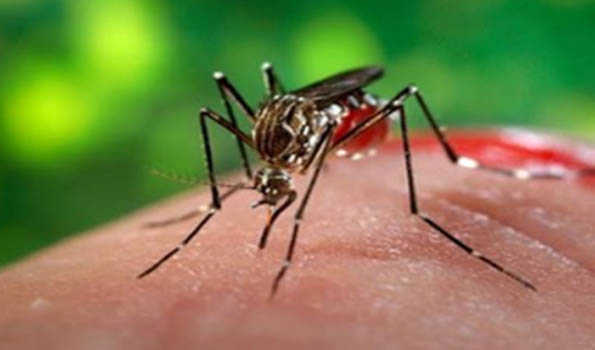
- Dengue fever is a viral disease transmitted through the bite of infected Aedes mosquitoes, causing symptoms such as headache, high fever, and muscle pain.
- To prevent the spread of dengue, health authorities have strengthened measures to check mosquito breeding and conduct anti-larval operations.
Dhaka: Bangladesh has logged 84 dengue-related deaths in October, representing the highest monthly death toll due to dengue this year, out of 49,880 confirmed cases as of Sunday.
According to the DGHS, 1,298 new confirmed cases of dengue were reported in the last 24 hours, bringing the total to 18,942 cases this month.
The DGHS confirmed another six deaths on Sunday, bringing the total fatalities due to dengue in the Southeast Asian country to 247 so far this year.
According to the DGHS, the deaths included 80 in September, 27 in August, 12 in July and eight in June. In order to curb the further spread of dengue, Bangladeshi health authorities have strengthened measures to check the breeding of mosquitoes and conduct anti-larval operations.

Bangladesh logged 1,705 dengue-related deaths in 2023, marking the highest annual death toll. In comparison, there were 281 dengue-related deaths reported in 2022 and 179 in 2019.
Dengue fever is a viral disease transmitted through the bite of infected Aedes mosquitoes.
The disease causes an acute illness with symptoms such as headache, high fever, exhaustion, severe muscle and joint pain, swollen glands, vomiting and rash.