


Key Takeaways
- The **official results** gave the National Party 48 seats, losing its majority.
- **NZ First** holds eight seats, becoming a potential coalition partner.
- An overhang seat raises Parliament’s size to **123** after the Port Waikato by-election.
- Voter turnout fell to **78.2%**, down from previous elections.
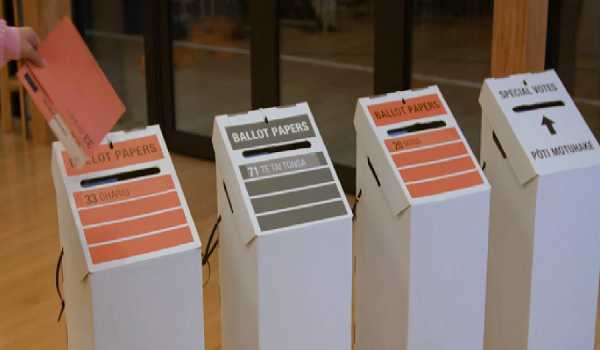
Wellington: New Zealand’s Electoral Commission declared the official results for the 2023 General Election on Friday, with a coalition of right-wing parties led by the National Party losing majority and needing NZ First to form a government.
The National Party has two fewer seats, the Maori Party has gained two, and the Green Party has won one more seat, according to the special votes counted over the last three weeks after the election day on Oct. 14.
The past three weeks saw the recounting of all votes, the checking of the special votes for eligibility before being counted, the scrutiny of the rolls and the comprehensive audit checks to ensure the results are accurate, the Electoral Commission said.
According to the official results, the number of seats in Parliament on these results will be 122, which will be the largest ever Parliament.
The National Party has 48 seats compared with 50 on election night. The Maori Party has six seats compared with four on election night. The Green Party has 15 seats compared with 14 on election night, the results showed.

There are no changes for the Labor Party which has 34 seats, ACT New Zealand which has 11 seats, and the New Zealand First Party which has eight seats, according to the results.
There is an overhang of two seats because the Maori Party won more electorate seats than it would otherwise have from its share of the party vote, it said, adding one more seat will be added to Parliament after the Port Waikato by-election, taking the total to 123.
The turnout of enrolled voters was 78.2 percent, lower than the 82.2 percent in 2020 and the 79.8 percent in 2017, it said, adding the final enrolment rate was 94.7 percent.
With no party winning a majority of seats, the formation of a new government will depend on the outcome of inter-party negotiations to form a coalition government.