


Key Takeaways
- Urdu language rights have been upheld by the Supreme Court, affirming India’s commitment to linguistic diversity.
- The Supreme Court decision emphasizes the importance of linguistic diversity in India, recognizing the country’s rich cultural heritage.
- The use of Urdu on Maharashtra Municipal signboards is a symbol of India’s commitment to protecting and promoting language rights.
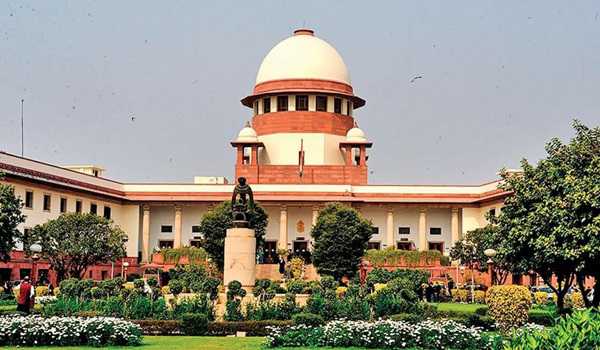
New Delhi: In a notable decision reinforcing India’s linguistic plurality, the Supreme Court on Tuesday upheld the use of Urdu on municipal signboards in Maharashtra, dismissing a petition that had objected to its inclusion alongside Marathi and English.
The Supreme Court bench, comprising Justice Abhay S. Oka and Justice Ujjal Bhuyan, observed that the use of Urdu is neither unconstitutional nor discriminatory. The judges emphasized that India’s strength lies in its rich cultural and linguistic diversity, which must be reflected in the functioning of public institutions.
The petition had challenged the display of Urdu on the signboard of a Municipal Council in Maharashtra, claiming that only Marathi — the state’s official language — should be permitted. The petitioner contended that the use of Urdu was politically motivated and undermined the primacy of Marathi.
However, the Court firmly rejected this argument, stating, “India is a multilingual country, and our Constitution recognises and protects this diversity. The use of a particular language on a public signboard, especially one spoken by a sizable community, does not violate any constitutional or statutory provisions.”

Justice Oka further remarked that inclusive representation in public communication fosters unity and a sense of belonging among various communities. “Urdu is among the languages listed in the Eighth Schedule of the Constitution. Its presence in official signage cannot be treated as illegal or improper,” he added.
The Court also clarified that there was no bar under the Maharashtra Municipal Councils Act or any other law that restricted municipalities from using additional languages on signboards, especially when it helps better serve local populations.
The bench reaffirmed the constitutional commitment to protect and promote India’s linguistic and cultural mosaic, urging all citizens to respect and celebrate diversity rather than be threatened by it.