


Key Takeaways
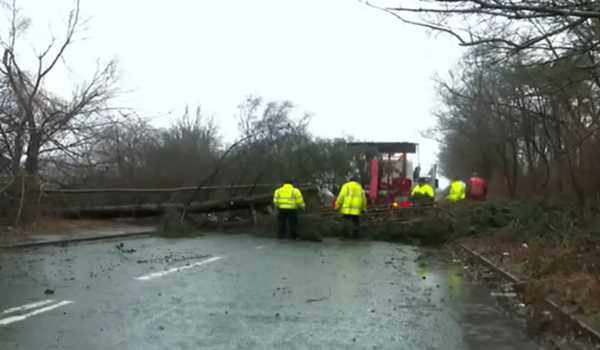
- The Tornado that hit Greater Manchester, UK, has resulted in the evacuation of some 100 homes and has caused widespread destruction.
- UK PM Rishi Sunak is under pressure to hold an emergency cabinet meeting to ensure a swift recovery plan for those affected.
- Some 3,000 people remain cut off from power supply in the UK, while air, rail, and ferry transportation have been disrupted.
London: The Liberal Democrats of the United Kingdom have urged Prime Minister Rishi Sunak to hold an emergency cabinet meeting after a powerful tornado hit Greater Manchester and resulted in the evacuation of some 100 homes, Liberal Democrat transport spokesperson Wera Hobhouse said Thursday.
“Hundreds of lives have been thrown into chaos with homes destroyed straight after Christmas. It’s devastating … Rishi Sunak needs to call an urgent COBRA [Cabinet Office Briefing Rooms] meeting to ensure a swift, robust recovery plan so those affected can begin rebuilding their lives,” UK broadcaster Sky News quoted Hobhouse as saying.
She added that “any delay could have a devastating impact on families already displaced whose lives have been turned upside down by this tornado.”

UK weather service Met Office said earlier this week that tornado in Greater Manchester was caused by a “supercell thunderstorm,” which is followed by strong upward air currents. The Tornado and Storm Research Organisation confirmed Wednesday that the tornado hit with a provisional maximum damage rating of T5 on the T scale. In such tornadoes, wind speeds can reach almost 260 kilometers (161.6 miles) per hour, lifting heavy trucks, destroying electricity poles, tearing roofs off buildings and razing old buildings to the ground.
Storm Gerrit, which hit the UK the day before, continues to rage, bringing strong winds and rain. A yellow weather danger level was introduced in several regions, with wind gusts reaching up to 130 kilometers per hour, as recorded by the Met Office.
Some 3,000 remain cut off from power supply, while air, rail and ferry transportation was disrupted. The day before, UK air carrier British Airways canceled nearly 20 flights, and at the port of Dover, from which the Channel crossing takes place, there were long queues with a waiting time of two hours before border control.