


Key Takeaways
- The Supreme Court orders a pollution assessment of glass industries near the Taj Mahal to ensure environmental conservation.
- The Taj Trapezium Zone encompasses approximately 10,400 square kilometres, covering districts in Uttar Pradesh and Rajasthan.
- The Supreme Court aims to protect the Taj Mahal, a UNESCO World Heritage Site, by addressing environmental concerns and promoting conservation efforts.
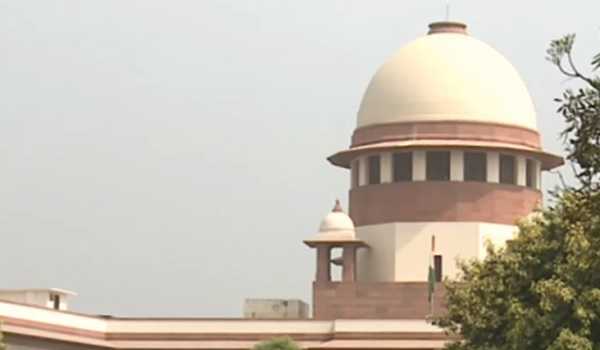
New Delhi: The Supreme Court on Monday directed the National Environmental Engineering Research Institute (NEERI) to carry out a detailed assessment of glass industries operating in the vicinity of the Taj Mahal in Uttar Pradesh and their potential impact on the iconic monument.
A bench comprising Justice Abhay S Oka and Justice Ujjal Bhuyan instructed NEERI to file an affidavit specifying the timeline for completing the assessment. The Court emphasised that all concerned government agencies, including the Uttar Pradesh Pollution Control Board, must extend full cooperation to NEERI in this task.
“We want to know the extent of pollution caused by these industries. If we find that these industries are causing pollution, we won’t hesitate to order the shifting of these units,” the bench observed. “Some examination has to be made about the extent of pollution.”
In further directions, the Court asked the Uttar Pradesh Pollution Control Board to form a team to visit and inspect the industries listed in the affidavit submitted by the state government. “After completing the study of five industries, the Pollution Control Board shall submit an interim report so that appropriate directions can be issued,” the Court added.

The Supreme Court has been actively monitoring environmental concerns related to the Taj Mahal. TTZ authority has faced criticism for its lackluster approach toward conservation. The Court questioned whether the preservation of the monument was being treated as a “tamasha” (drama) or a “joke.”
The TTZ encompasses approximately 10,400 square kilometres, covering the districts of Agra, Firozabad, Mathura, Hathras, and Etah in Uttar Pradesh, as well as Bharatpur district in Rajasthan.
The Supreme Court’s ongoing intervention aims to ensure the protection of the Taj Mahal, a UNESCO World Heritage Site built by Mughal emperor Shah Jahan in memory of his wife Mumtaz Mahal.