


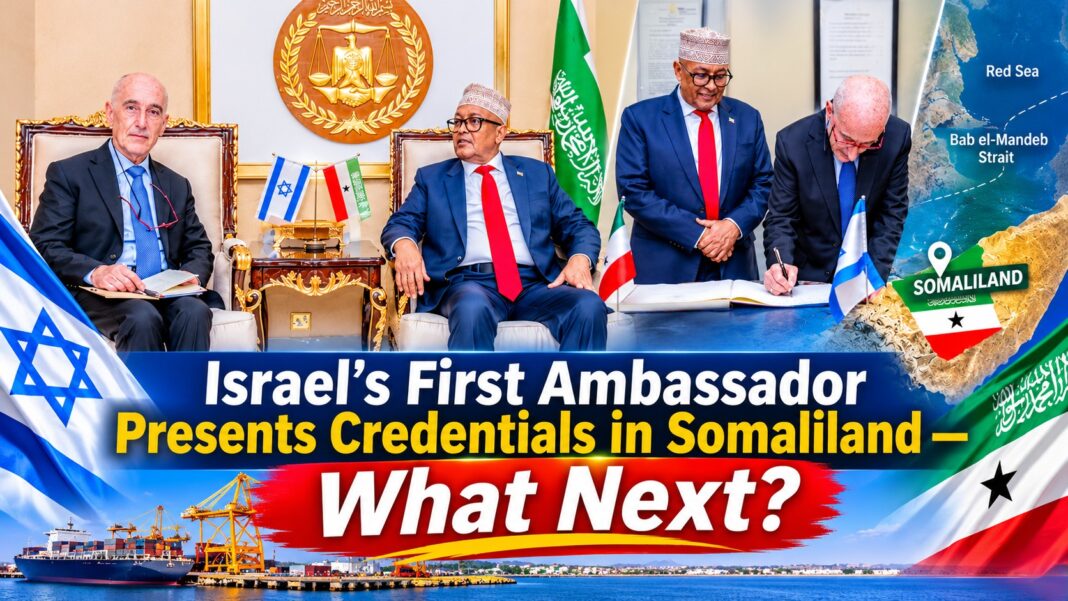

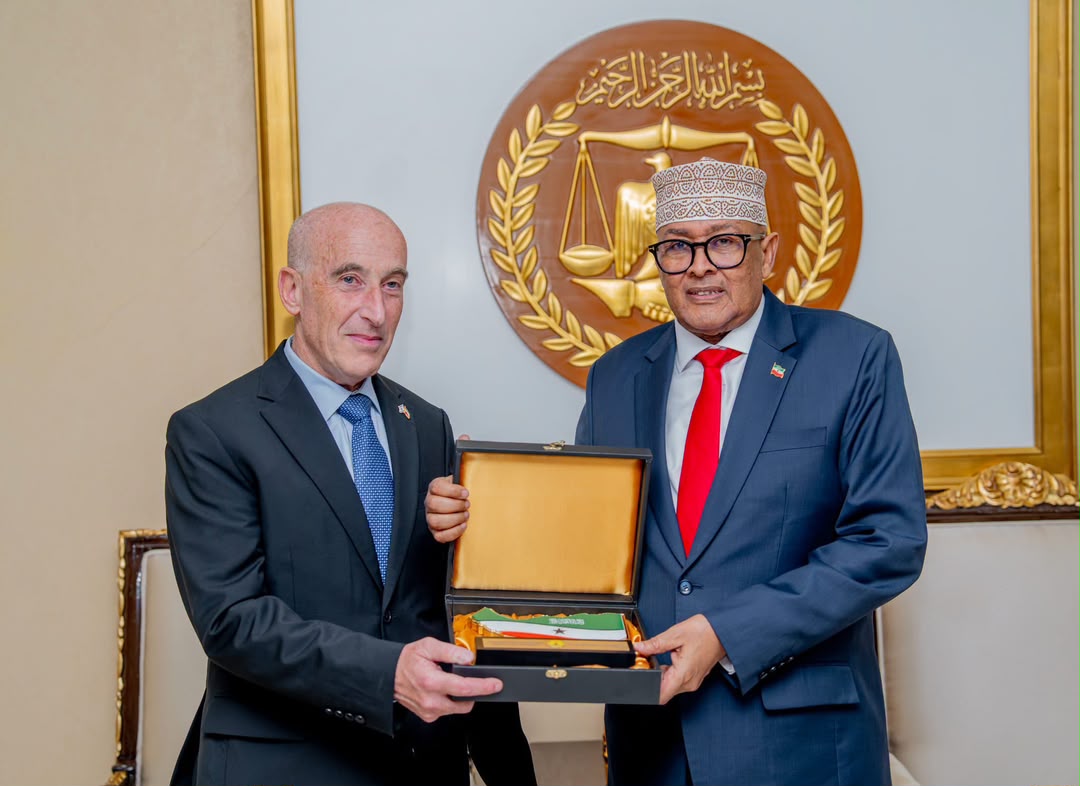
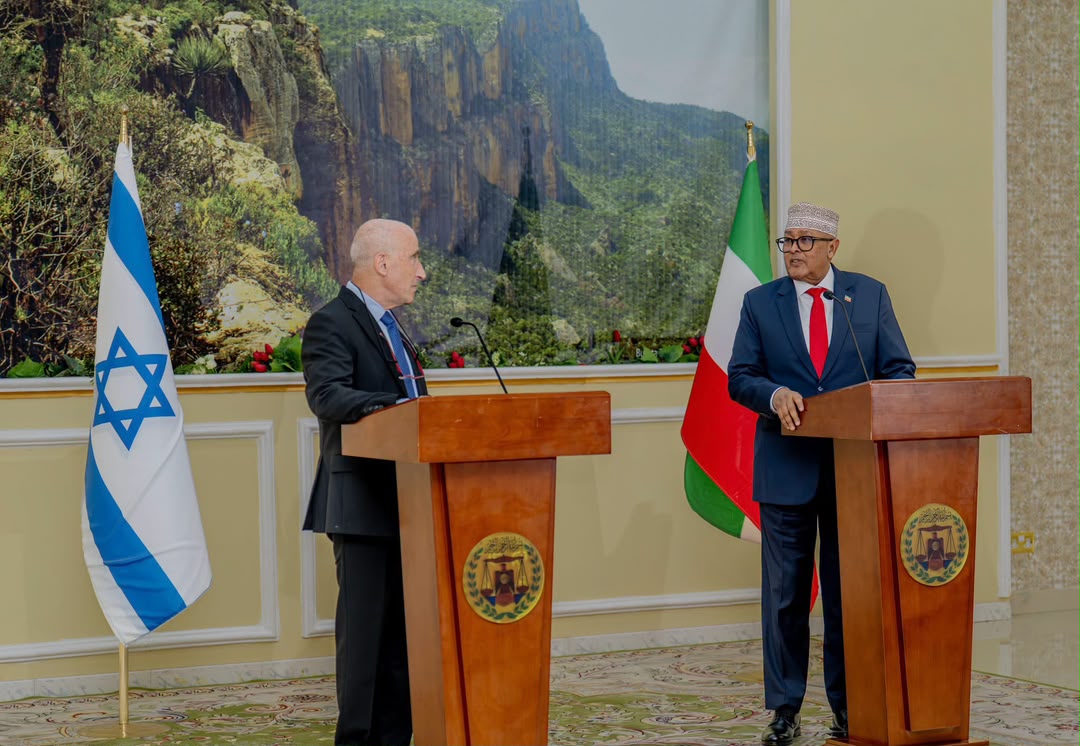
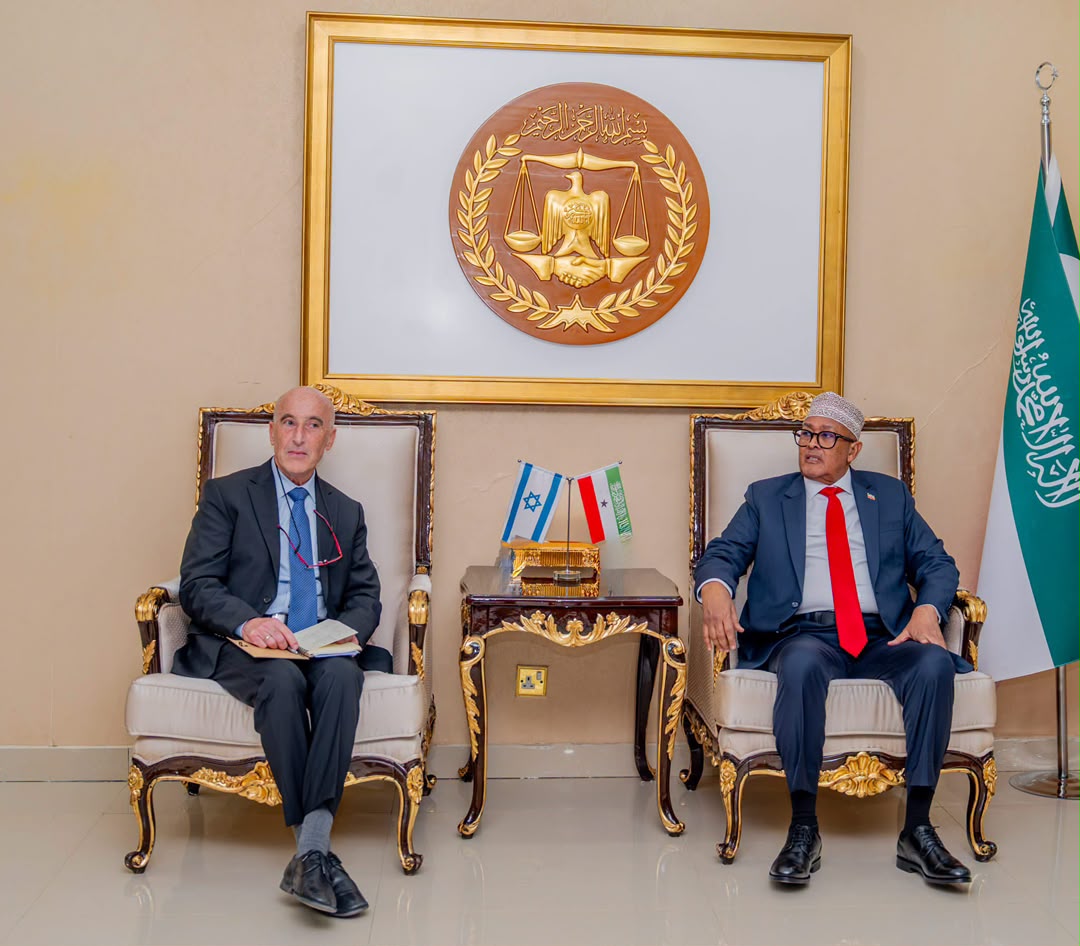
Israel’s first ambassador to Somaliland has presented his credentials to the President of the Republic of Somaliland, Abdirahman Mohamed Abdullahi, in Hargeisa, marking a significant milestone in Somaliland’s diplomatic engagement with the international community following its recognition by Israel in late December 2025.
The ceremony also marked the laying of the cornerstone for an Israeli embassy in Somaliland. Meanwhile, in June 2026, Somaliland inaugurated its embassy in Jerusalem during a historic visit to Israel by President Abdirahman Mohamed Abdullahi and his delegation. Together, these developments represent historic milestone in relations between the two countries. Ambassador Michael Lotem is not only Israel’s first ambassador to Somaliland but also the first ambassador from any sovereign state to be officially accredited to the Republic of Somaliland.
President Abdullahi described the occasion as historic, while Ambassador Michael Lotem said Israel’s recognition acknowledged what the people of Somaliland had achieved over 35 years, despite the absence of international recognition and limited external support.
Beyond the diplomatic significance, Israel’s recognition also carries important geopolitical implications. It is not a reckless decision; rather, it reflects the growing strategic importance of Somaliland, particularly given its location along the Gulf of Aden, close to the Bab el-Mandeb Strait and the Red Sea. Indeed, Somaliland’s growing international significance is becoming increasingly undeniable.
This strategic importance is further underscored by Somaliland’s proximity to Yemen, where the Houthis, backed by Iran, have launched attacks against Israel and international shipping. At the same time, Turkey maintains a significant political, economic, and security presence in Somalia, which continues to claim sovereignty over the Republic of Somaliland. These regional dynamics further highlight Somaliland’s importance to the security and geopolitical interests of international actors.
Although Somalia, the Arab League, the African Union, the Organization of Islamic Cooperation, Turkey, and some Gulf states have criticized Israel’s recognition of Somaliland and the growing diplomatic relations between the two countries, their opposition has not changed the reality on the ground. On the contrary, the historic visit of Ambassador Michael Lotem and the establishment of diplomatic missions demonstrate that relations between Somaliland and Israel are moving forward.
What Is Next?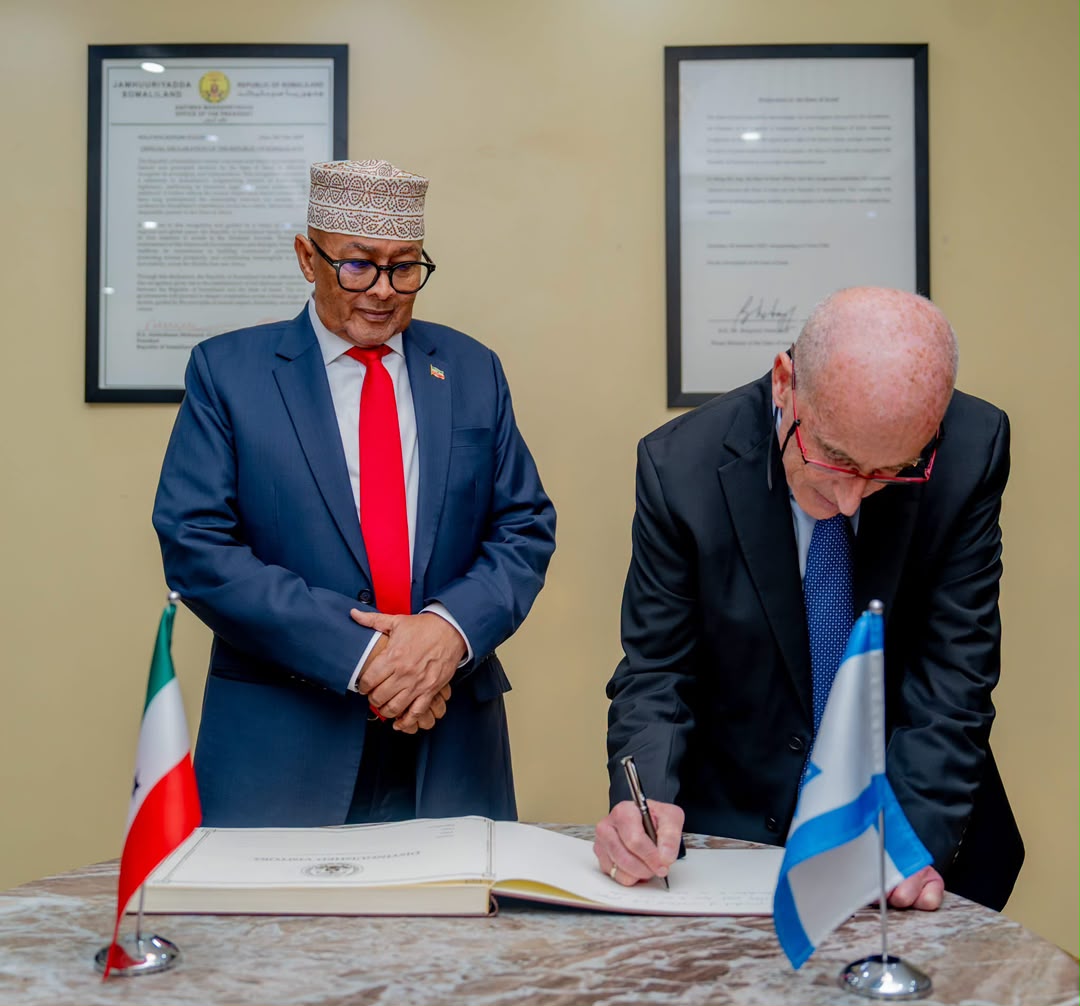
Beyond the establishment of diplomatic relations, the next phase is likely to focus on strengthening strategic, economic, and security cooperation.
Defense cooperation. Somaliland and Israel hope to sign a defense cooperation agreement next year, as stated by the President of Somaliland in an interview on the sidelines of the Middle East American dialogue conference during his first visit to Washington. Furthermore, Somaliland has revealed its intention to become a member of the US-backed Abraham Accords, an ambition President Abdullah also shared with Israeli media.
Economic cooperation is another important area of mutual interest. The Republic of Somaliland is interested in Israeli investment and technology. In return, Somaliland has offered to export goats, cattle, minerals and sheep to the Israeli market. President Abdullahi has also emphasized Somaliland’s potential as a tourist destination.

Meanwhile, the growing relationship between Somaliland and Israel is taking place against the backdrop of increasing strategic interest in Somaliland from the United States. Washington is actively debating the potential benefits of recognizing Somaliland.
One of the most important considerations is the Port of Berbera, which has one of the longest airstrips in Africa and was previously used as an emergency landing site for the US Space Shuttle programme. Several years ago, the United Arab Emirates renovated and upgraded the facility of strategic Berbera Port.
Today, the United States could also consider Berbera as an alternative to the increasingly crowded military facilities in Djibouti, particularly amid concerns about China’s military presence there.
Furthermore, the United States already has a military relationship with Somaliland, including training and security cooperation, although it does not have a military base there. The head of US Africa Command has visited in Somaliland several times as Washington continued to assess the territory’s strategic importance.
Political signals from Washington have also attracted considerable attention. US President Donald Trump called Somaliland a “totally different country” that has “nothing to do” with Somalia during a political rally in Ohio on 12 October. His remarks sent an important political signal regarding the possibility of recognition, as comments from the leader of the world’s most powerful country should not be dismissed lightly.
“I call it Somalia land. Not Somaliland, because actually it’s a totally different country,” President Trump said.
These political signals have been accompanied by more direct diplomatic engagement. Two months ago, Somaliland’s President, Abdirahman Mohamed Abdullahi, made his first official visit to Washington, where he met officials from the Departments of State, defense, Treasury, and Energy, as well as key allies on Capitol Hill in both chambers of Congress.
Although President Abdullahi did not have the opportunity to meet President Trump during his Washington visit, The Africa Report stated that “an official from Trump’s National Security Council attended the meeting between the Somaliland President and officials at the State Department.”
Taken together, these developments represent a significant step forward in diplomatic engagement between Hargeisa and Washington. They also demonstrate the growing strategic attention Somaliland is receiving in the United States and raise important questions about what the next phase of Somaliland’s international engagement will look like.
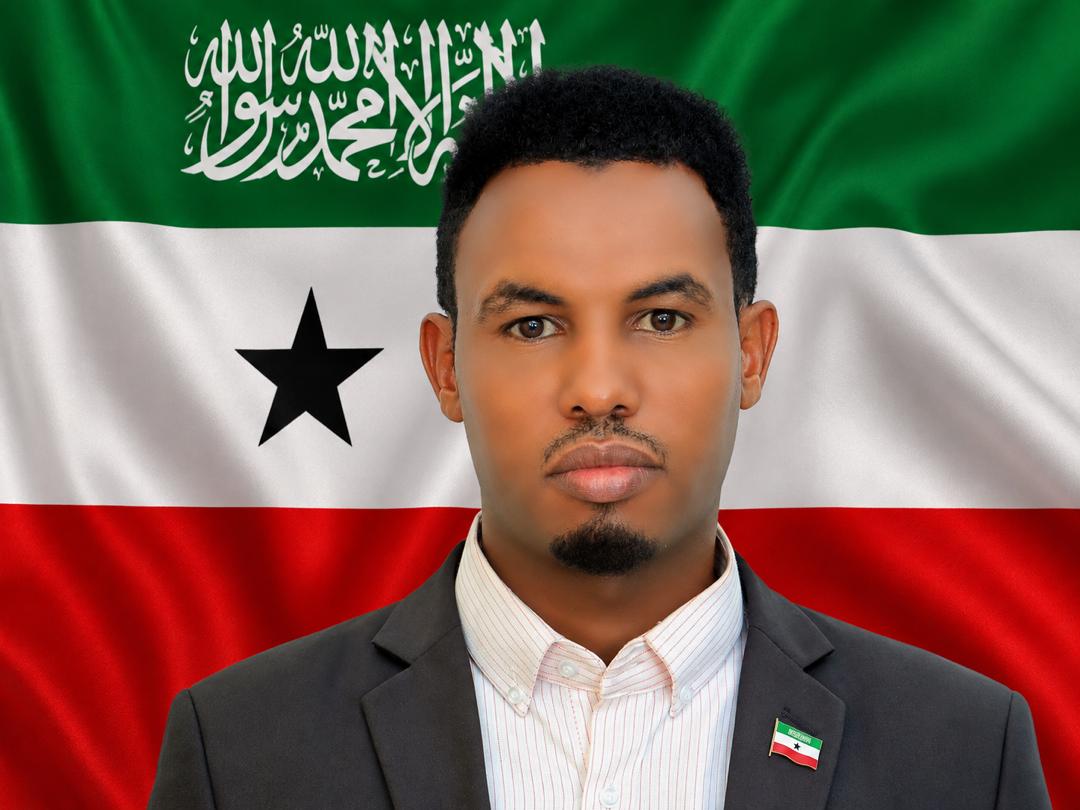
Author: Mohamed Abdisamad, Executive Director of the Laasgeel Institute for Policy Studies and Research Analysis (LIPS), based in Hargeisa, Somaliland. He is a seasoned political analyst specializing in Horn of Africa affairs, with a particular focus on Somaliland’s case for international recognition.