

Key Takeaways
- The conflict in Lebanon has forced over 880,000 people to flee their homes, with more than 500,000 seeking refuge in Syria.
- The UN reports that nearly a quarter of the Lebanese population is suffering from inadequate food consumption, with food security expected to worsen.
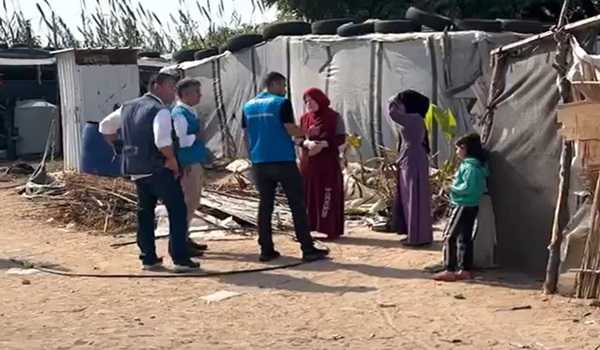
- Humanitarian aid efforts are underway, with the UN providing psychosocial support and food assistance to displaced people.
United Nations: UN humanitarians said on Thursday that evacuation orders and air strikes forced more than 880,000 people from their homes in Lebanon, with more than 500,000 of them fleeing into Syria.
The UN Office for the Coordination of Humanitarian Affairs (OCHA) said those remaining in Lebanon face deteriorating food security.
The International Organisation for Migration reported that more than 880,000 people were displaced within the country, including more than 20,000 migrants who have been forced to flee both their homes and workplaces.
The UN Refugee Agency (UNHCR) reported that more than 500,000 people left Lebanon for Syria and that more than half of them were children. UNHCR is supporting them, among others, by providing psychosocial support to help them deal with trauma and emotional impact of displacement.
OCHA reminded that civilians must be protected regardless of their choice to stay in their homes or to flee.

The office also said the World Food Programme (WFP) and the Food and Agriculture Organisation (FAO) warn that food security in Lebanon is expected to worsen.
“The ongoing escalation of conflict since September 2024 has severely disrupted supply chains, and deepened food insecurity, which now affects more than 1.2 million people,” WFP and FAO said.
“With nearly a quarter of the Lebanese population already suffering from inadequate food consumption, the situation is set to deteriorate further as food prices remain high.”
As an example, OCHA said WFP used 12 convoys to deliver food to more than 65,000 people, mostly in South and Baalbek-Hermel governorates, since September of this year in response to the challenging food security situation.