

Key Takeaways
- The ruling coalition of the LDP and Komeito lost its majority in the Japanese general election.
- The LDP’s poor showing was largely due to public outrage over the party’s funding scandal.
- The loss of majority brings political uncertainty to the economy and may lead to a change in government.
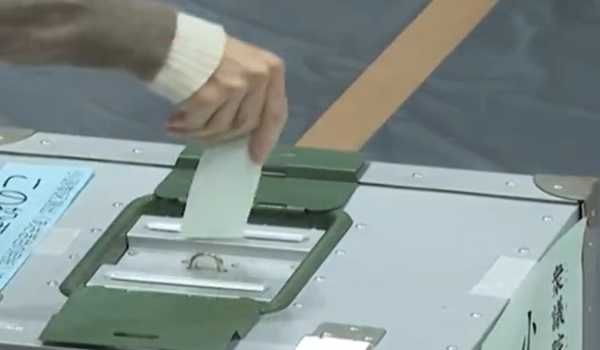
Tokyo: Following Japan’s general election on Sunday, the ruling coalition of the Liberal Democratic Party (LDP) and its partner Komeito fell short of the majority threshold, bringing political uncertainty to an economy that is already facing an array of challenges.
The LDP and Komeito secured 215 seats in the lower house, falling short of the 233 seats required for a majority. The LDP alone won 191 seats, a significant decline from its previous 247 seats.
In contrast, the main opposition Constitutional Democratic Party significantly increased its representation, rising from 98 seats before the election to 148 seats.

The result is largely in line with media forecasts as public outrage over the LDP’s funding scandal persisted. The last time the coalition lost a majority was in 2009.
Following the poor showing, Prime Minister Shigeru Ishiba has announced plans to seek cooperation from other parties with whom his administration shares policy alignment, aiming to stabilize his government, according to public broadcaster NHK.
A total of 1,344 candidates ran in the country’s 50th House of Representatives election, more than the 1,051 in the last such election in 2021.