



Key Takeaways
- The US has a policy of non-intervention in the India-Pak conflict.
- US Vice President JD Vance has stated that the conflict is fundamentally none of their business.
- The US hopes that the situation will not escalate beyond the current state of affairs and that a broader regional war or nuclear conflict can be avoided.
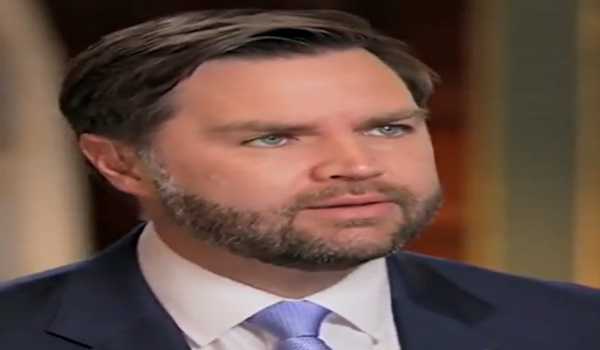
Washington: As tensions between India and Pakistan continue to escalate, US Vice President JD Vance has reiterated America’s policy of non-intervention, declaring that the conflict is “fundamentally none of our business.”
His remarks, made in a recent interview with an US news channel, come amid growing concerns over the potential for the situation to spiral into a larger regional war or even a nuclear conflict.
“What we can do is try to encourage these folks to de-escalate a little bit, but we’re not going to get involved in the middle of war that’s fundamentally none of our business and has nothing to do with America’s ability to control it,” Vance stated, emphasising that the US will not intervene directly in the conflict despite its global significance.

While acknowledging the gravity of the situation, Vance stressed that the US would continue to engage through diplomatic channels in an effort to help reduce tensions. “We can’t tell the Indians to lay down their arms. We can’t tell the Pakistanis to lay down their arms. And so, we’re going to continue to pursue this thing through diplomatic channels,” he added.
Amidst the rising tensions, Vance expressed hope that the situation would not escalate beyond the current state of affairs. “Our hope and our expectation is that this is not going to spiral into a broader regional war or, God forbid, a nuclear conflict,” he said, assuring that the United States does not believe such an outcome is likely at this stage.
The conflict, which has seen periodic flareups over the years, remains a key point of concern for global leaders. With both India and Pakistan possessing nuclear capabilities, the international community has repeatedly voiced the need for dialogue to avoid catastrophic consequences.