
Key Takeaways
- Saudi Arabia reaffirms its commitment to establishing an independent Palestinian state with East Jerusalem as its capital.
- MBS’s speech effectively quashes the Biden administration’s hopes of orchestrating a ‘Grand Bargain’ between Israel and Saudi Arabia.
- The implications of MBS’s speech will likely reverberate across diplomatic circles, affecting US-Israel relations and Middle East geopolitics.
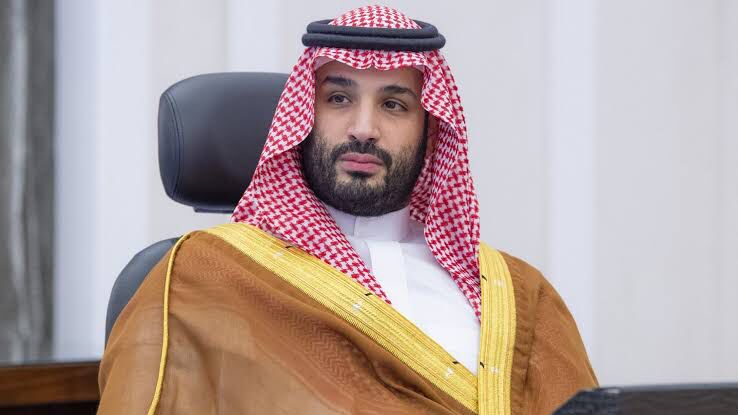
In a significant televised address yesterday, Saudi Crown Prince Mohammed bin Salman (MBS) reaffirmed Saudi Arabia’s unwavering commitment to the establishment of an independent Palestinian state with East Jerusalem as its capital. “The (Saudi) kingdom will not stop its tireless work towards the establishment of an independent Palestinian state with East Jerusalem as its capital. We affirm that the kingdom will not establish diplomatic relations with Israel without that,” MBS declared, in what appeared to be a decisive rebuke to the Biden administration’s efforts to broker a historic normalization deal between Israel and Saudi Arabia.
The Crown Prince’s statement effectively quashes the Biden administration’s hopes of orchestrating a ‘Grand Bargain’, which would have not only normalized relations between Israel and Saudi Arabia but also secured a U.S.-Saudi defense agreement and facilitated the establishment of a civilian nuclear program in Riyadh. For months, senior Biden officials, including Brett McGurk and Jake Sullivan, have been working to negotiate a deal that could simultaneously counter China’s growing influence in the region, address the ongoing Gaza crisis, and surpass former President Trump’s Abraham Accords in significance.
Despite earlier indications that the U.S. might be willing to proceed with a defense pact with Saudi Arabia even without Israeli normalization, MBS’s latest pronouncement seems to close the door on such a possibility. His clear articulation of Saudi Arabia’s stance on Palestinian statehood underscores the evolving dynamics in the Middle East, particularly in the wake of Israel’s recent military actions in Gaza.
The timing of MBS’s speech is particularly notable, coming nearly a year after he told Fox News that Saudi Arabia was “getting closer” to normalizing relations with Israel while also “working towards improving life for the Palestinians.”

The past year has seen a significant shift in the regional landscape, with Israel’s actions against Hamas in Gaza drawing widespread condemnation. Israel’s bombardment of Gaza, which saw the dropping of 42 bombs daily, has fueled global outrage and intensified calls for a resolution to the Palestinian issue.
Saudi Arabia’s previous reticence in condemning Israel’s actions had raised speculation about MBS’s intentions and whether he was keeping the door open for normalization. However, yesterday’s unequivocal statement reaffirms Saudi Arabia’s long-standing position on Palestinian statehood and signals a shift away from any immediate diplomatic rapprochement with Israel.
For the Biden administration, this development marks a significant setback. The potential for a US-Saudi defense agreement, seen as a strategic counterbalance to China’s regional ambitions, now appears increasingly uncertain. Moreover, the collapse of the proposed ‘Grand Bargain’ leaves unresolved the long-standing conflict between Israel and Palestine, which continues to destabilize the region.
As the geopolitical landscape in the Middle East continues to evolve, the implications of MBS’s speech will likely reverberate across diplomatic circles. For now, Saudi Arabia’s firm stance on Palestinian statehood stands as a clear message to both Israel and the international community: normalization will not come at the expense of Palestinian rights.