
Key Takeaways
- The US and China are engaged in a global power struggle for control of rare earth elements, with significant implications for the global economy and geopolitics.
- Pakistan’s Gilgit-Baltistan and Balochistan regions are rich in rare earth minerals, making them a key location for the global rare earth supply chain.
- The US is seeking to diversify its supply of rare earth minerals, with a focus on domestic production and foreign investment in countries like Australia and Canada.
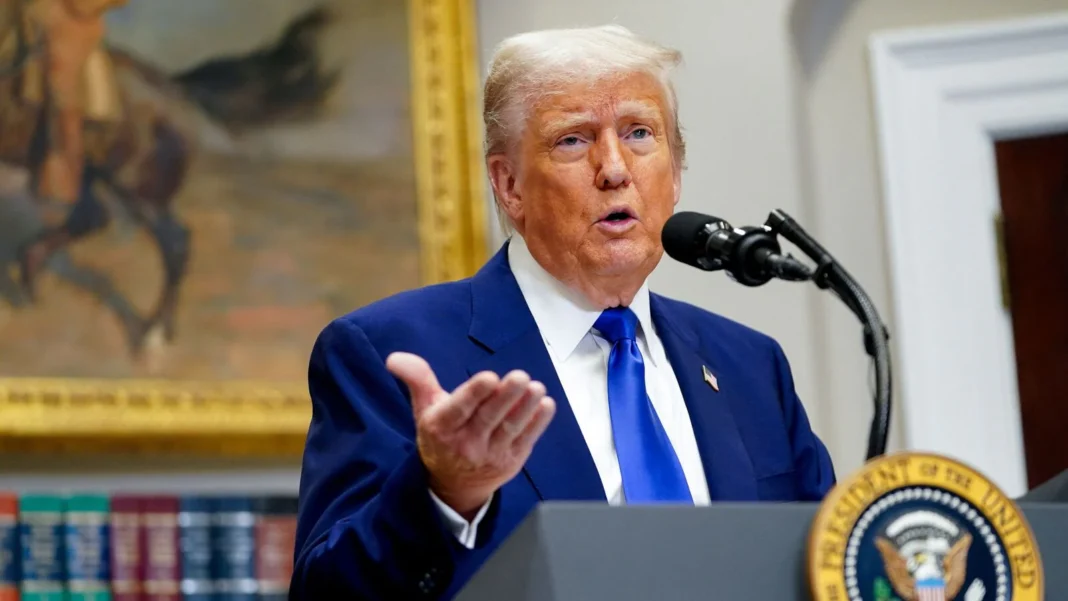
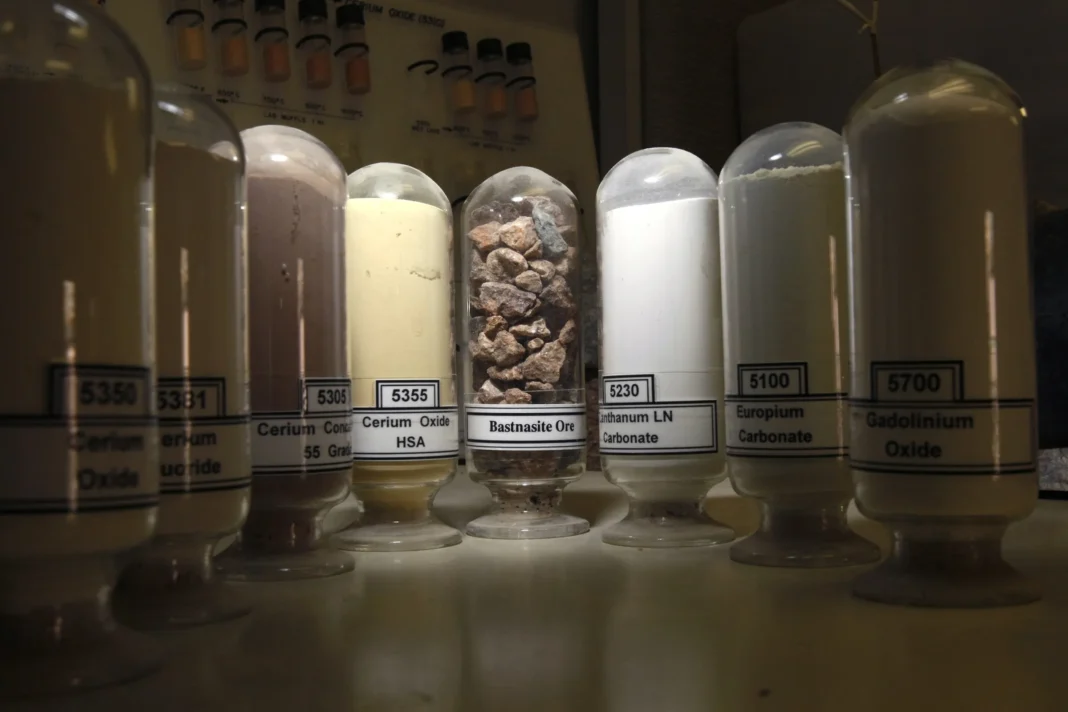
Rare earth elements have become crucial for global power struggles. These minerals are essential for producing advanced technologies, including smartphones, solar panels, and electric vehicles. The US and China are vying for control of these elements, with significant implications for global power dynamics.
China’s Strategic Leverage
In late 2024, China tightened export controls on gallium, germanium, and antimony—key materials used in semiconductors and green technologies. By requiring export licenses, Beijing signalled its readiness to wield resource dominance as geopolitical leverage.
China further escalated tensions by restricting the export of rare earth processing technologies, exacerbating supply vulnerabilities for countries dependent on Chinese refineries.
America’s Supply Chain Reset
Despite possessing rare earth reserves, the U.S. imports nearly 80% of its supply, mostly from China. This dependency has triggered a wave of domestic and international responses to secure alternative sources.
Key U.S. measures include:
1. Expanding MP Materials’ operations at Mountain Pass, California.
2. Launching the Round Top Project in Texas to access heavy rare earths.
3. Using the Defense Production Act and tax incentives to boost local investment.
4. Building alliances with Australia and Canada for diversified sourcing.
Gilgit-Baltistan: A Quiet Contender
Pakistan’s Gilgit-Baltistan region hosts REE-bearing minerals such as bastnäsite and monazite. Found in areas like Skardu and Gilgit, these deposits are promising but underexplored due to terrain, infrastructure, and technology barriers.
Strategically, Gilgit-Baltistan could help:
1. Reduce global dependence on dominant suppliers.
2. Diversify Pakistan’s mineral exports.
3. Support the global clean-tech ecosystem.
Balochistan: Potential Amid Volatility
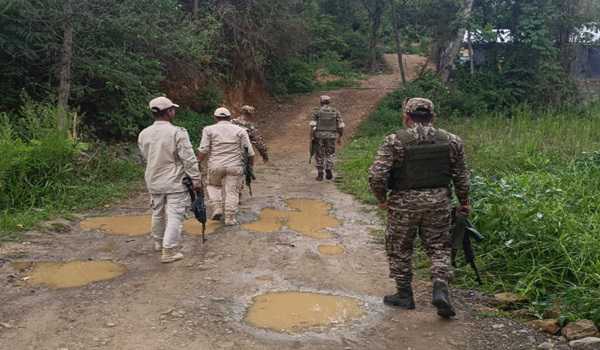
Balochistan’s mineral wealth is well known, especially in districts like Muslim Bagh and Khuzdar, rich in heavy REEs like dysprosium and terbium. However, development is constrained by security issues, infrastructure gaps, and limited mining expertise.
Yet, with targeted investment and policy support, Balochistan could evolve into a globally significant mining hub.
U.S. Eyes Pakistani Resources

In April 2025, a senior U.S. delegation explored investment opportunities in Pakistan’s mineral sector, including lithium and rare earths. The Export-Import Bank of the United States is reportedly considering financing projects like Reko Diq, operated by Barrick Gold.
These moves reflect Washington’s intent to diversify mineral sourcing and balance China’s economic influence in the region.
IMF Loan and Strategic Tensions
In May 2025, the IMF approved a $1 billion loan for Pakistan, along with $1.4 billion for climate resilience. While officially aimed at economic stabilization, reports suggest the loan was linked to behind-the-scenes diplomatic conditions, including a ceasefire agreement with India.
India abstained from the IMF vote, raising concerns over potential misuse of funds for cross-border aggression. Calls for tighter accountability have followed.
Why Pakistan’s Stability Matters
For the United States, a stable Pakistan ensures:
1. Nuclear security and non-proliferation.
2. Counterterrorism cooperation.
3. Stability in South Asia and post-Afghanistan diplomacy.
4. A strategic counterweight to China.
For China, stability protects:
1. The China-Pakistan Economic Corridor (CPEC).
2. Access to Gwadar Port and the Arabian Sea.
3. Security along its Xinjiang border.
4. A key partner in Beijing’s broader Belt and Road strategy.
Conclusion: Resources and Rivalries
Rare earths have become modern strategic assets, as crucial as oil once was. The U.S. and China’s efforts to secure access—through domestic initiatives, foreign investment, or diplomatic maneuvering—are reshaping global alliances.
For Pakistan, especially Gilgit-Baltistan and Balochistan, this represents both an opportunity and a test: can it manage external interests, internal challenges, and environmental responsibilities to emerge as a responsible player in the global rare earth supply chain?
Only time and policy, will tell.
About Author
 Colonel Mayank Chaubey is a distinguished veteran who served nearly 30 years in the Indian Army and 6 years with the Ministry of External Affairs.