


Key Takeaways
- Delhi has become the first city in the country and the third in the world to have the highest fleet of e-buses.
- The addition of 350 new electric buses has reduced the emission of 47,000 tons of carbon dioxide in Delhi.
- Delhi aims to include 80% electric buses in the bus fleet, with the current number of electric buses standing at 22%.
New Delhi: Delhi Lieutenant Governor VK Saxena, Chief Minister Arvind Kejriwal, and Transport Minister Kailash Gahlot flagged off 350 more electric buses in the national capital on Wednesday, taking the total number of e-bus fleet to 1650.
Saxena said, “These buses will contribute to combating pollution significantly. Significant reductions in pollution are expected with these measures, making it easier to curb pollution.”
Kejriwal said, “With the addition of these 350 buses, the total e-bus fleet has reached a record of 1650. Delhi has become the first city in the country and the third in the world to have the highest fleet of e-buses.”
In a social media post on X, Kejriwal highlighted the achievement, stating, “These electric buses will not only make the journey of Delhiites easier but will also help in maintaining a balanced environment.”

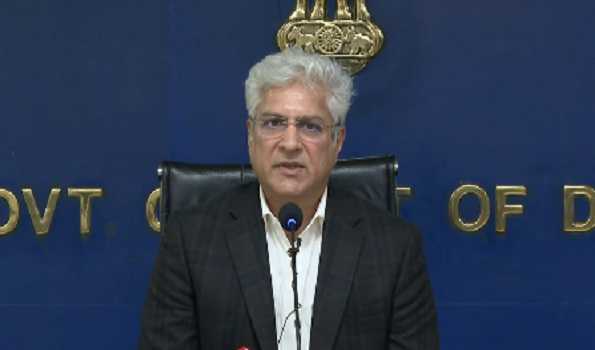
Addressing the media later today, Transport Minister Kailash Gahlot said, “From 2022 until now, 1300 electric buses have been running on Delhi’s roads. These buses have covered a distance of 5.8 crore kilometres so far, and the emission of 47,000 tons of carbon dioxide has been reduced in Delhi.”
“Currently, there are 7582 buses in Delhi’s bus fleet, this is a milestone in itself, there were never so many buses in the history of Delhi,” Gahlot said.
The goal is to bring 800 electric buses to Delhi. In the coming days, Delhi’s bus fleet will consist of 10,480 buses, with a significant increase in electric buses to 80% of the total.
We aim to include 80% electric buses in the bus fleet, and currently, 22% electric buses have been included in the bus fleet.”