

Key Takeaways
- The BRICS expansion is expected to boost energy cooperation between members, particularly in the areas of gas and renewables.
- The BRICS expansion will create opportunities for polycentric energy generation, allowing for distributed grids and reduced reliance on long-distance energy transmission.
- The BRICS expansion is a mutually beneficial platform for energy cooperation, with member countries working together to advance their respective economies and improve the lives of their people.
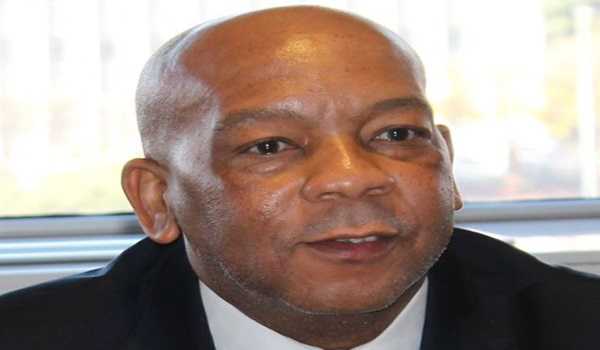
The BRICS expansion is expected to boost energy cooperation between members, particularly in the areas of gas and renewables. According to South African Minister of Electricity and Energy Kgosientsho Ramokgopa, this cooperation will be mutually beneficial and create opportunities for polycentric energy generation.
“We discussed the possibility of green hydrogen as one of those frontiers … [also] there’s a big number of countries within the expanded BRICS that are gas exporting nations. And there will be other members of the BRICS grouping who can benefit from the gas reserves that these countries have. So we think that BRICS is a platform that is mutually beneficial. It’s a symbiotic relationship,” Ramokgopa said on the sidelines of the Russian Energy Week international forum.
The minister also mentioned Russia, China and India working on small modular reactors, noting that those can produce up to 300 megawatts and be deployed anywhere, creating opportunities for polycentric energy generation.

“You are able to have a distributed grid. You don’t have to have long lines running thousands of kilometers supplying industry in one corner of the country, you can [just] deploy small modular reactors. So, BRICS is an area of collaboration. We know that technology is advancing there,” Ramokgopa said.
He also expressed his confidence that being part of BRICS “really gives us an opportunity to collaborate better in the interest of our respective economies and our people.”
BRICS was established in 2009 as a cooperation platform for the largest developing economies, uniting Brazil, Russia, India and China. South Africa joined the group in 2010. On January 1, BRICS expanded its membership to include Egypt, Ethiopia, Iran and the United Arab Emirates. Saudi Arabia has not formalized its participation but has been taking part in BRICS meetings.