
Key Takeaways
- The ceasefire contact process between Pakistan and India is continuing successfully, with a long-term strategy being formulated.
- Pakistan Deputy Prime Minister Ishaq Dar has been involved in the ceasefire contact process, along with other foreign diplomats.
- The long-term strategy being formulated is crucial for achieving lasting peace in the region.
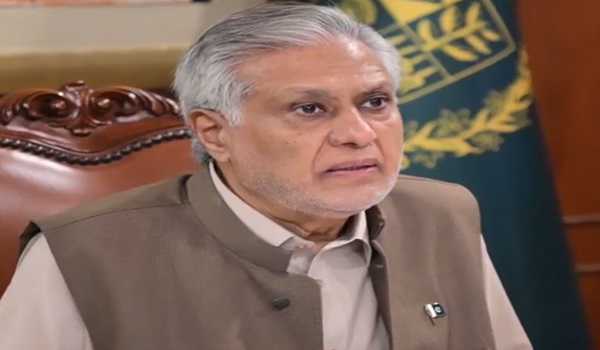
Islamabad: Pakistan Deputy Prime Minister Ishaq Dar said on Sunday that the ceasefire contact process with India was continuing successfully, and that it was not limited to a truce but involved the formulation of a long-term strategy.
At 8:15 am on May 10, Pakistan Deputy Prime Minister Ishaq Dar received a phone call from United States Secretary of State Marco Rubio, who informed him that India was ready for a ceasefire, as reported by Samaa.
Pakistan desires peace in the region for the betterment of its people and economy, as emphasized by Pakistan Deputy Prime Minister Ishaq Dar.
Expressing his thoughts in Islamabad, Dar said Pakistan did not initiate the tensions with India, and friendly countries were attempting to reduce the hostilities between the two nations.
The foreign minister said that India had failed to provide any evidence regarding the Pahalgam attack.

Dar claimed that Pakistan shot down six Indian aircraft.
He added that Pakistan had taken 14 members of the UN Security Council into confidence and reminded them that Pakistan had made significant sacrifices in the fight against terrorism.
Dar said that he had spoken several times with his Chinese counterpart during the entire situation.
Last week, ambassadors from China, Afghanistan and Pakistan held a meeting. China was also planning a bilateral visit to Pakistan, alongside a scheduled trilateral foreign ministers’ meeting.