


Key Takeaways
- The Global Biofuel Alliance was launched at the G20 Summit to boost sustainable fuel production.
- India seeks to double ethanol blending to 20% by 2025, cutting crude‑oil imports.
- The alliance supports India’s net zero emissions goal for 2070 by expanding biofuel markets.
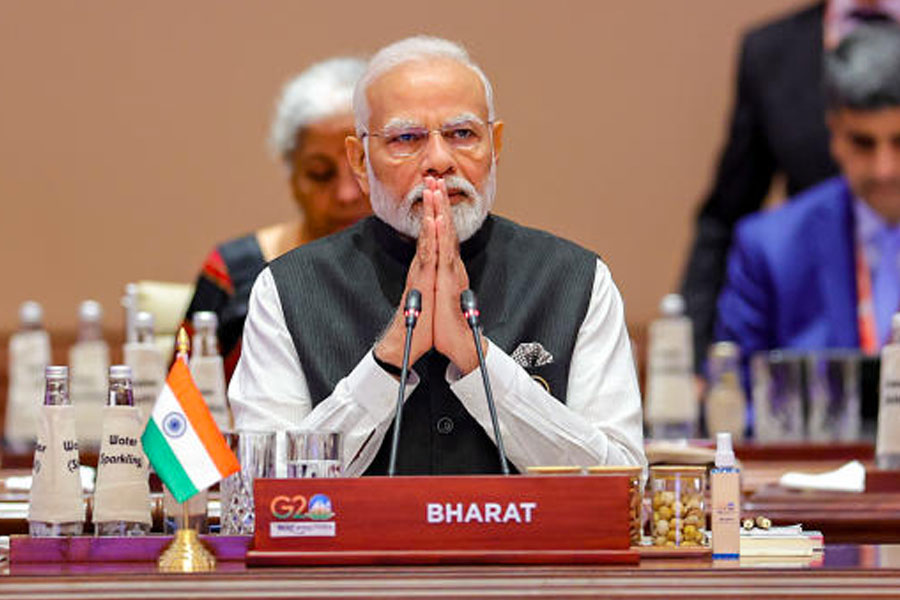
On Saturday, September 9, during the first day of the G20 Summit in New Delhi, Prime Minister Narendra Modi launched the Global Biofuel Alliance and invited other world leaders to join the initiative.
This initiative aims to accelerate energy transition. Bharat, the world’s third‑biggest oil consumer, mirrors the earlier International Solar Alliance (ISA) – launched by New Delhi and Paris in 2015 – to bring clean and affordable solar energy within reach of all.
Biofuel is a renewable energy source derived from biomass. India imports 85 percent of its crude oil needs, and is gradually building its capacity to produce fuel from items like crop stubble, municipal solid waste, and plant waste. Dozens of compressed biogas plants are also being set up in the country, with India’s aim of doubling the mixing of ethanol extracted from sugarcane and agricultural waste to 20 percent with petrol by the year 2025.

The aim of the Global Biofuel Alliance is to facilitate cooperation and to intensify the use of sustainable biofuels, including in the transportation sector. The alliance’s focus is primarily on strengthening markets, facilitating global biofuel trade, developing concrete policy lesson-sharing, and providing technical support for national biofuel programmes, worldwide.
This initiative will also help India to transition to alternative fuel sources, and cutting its import bills, as it seeks to achieve its net zero carbon emissions goal by the year 2070.