


Key Takeaways
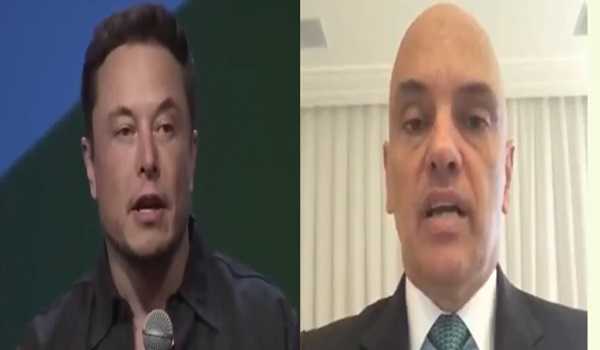
- Elon Musk is at odds with a Supreme Court judge in Brazil over free speech and alleged disinformation on social media platform X.
- Musk has criticized the judge, de Moraes, for his stance on social media censorship in Brazil.
- The feud between Musk and the Supreme Court judge has sparked concerns over free speech and disinformation on social media in Brazil.
Washington/Brasilia: Elon Musk has stepped up online attacks on a Supreme Court judge threatening to suspend social media platform X in Brazil, media reports said.
Justice Alexandre de Moraes had threatened to suspend X if Musk did not appoint a new legal representative of the company in Brazil and settle any outstanding daily fines within 24 hours.
“Alexandre de Moraes is an evil dictator cosplaying as a judge,” the world’s richest person wrote on X.
Musk, who had previously called de Moraes “Darth Vader,” retweeted a statement from X’s Global Government Affairs team saying it would publish the judge’s “illegal demands and all related court filings” in the coming days, according to CNN.
Brazil is a major market for social media platforms. About 40 million Brazilians, or about 18% of the population, access X at least once per month, according to the Associated Press.

Musk’s feud with de Moraes centers on free speech and alleged disinformation. X announced earlier this month that it would close its operations and fire its staff in Brazil due to what it called “censorship orders” from the judge.
De Moraes had ordered the social media company to block several X accounts he said were spreading disinformation.
The latest statement, which was signed by de Moraes, was also shared on the Supreme Court’s official X account, tagging both Musk and X’s Global Government Affairs account.
The statement from the Supreme Court was posted at around 8.30 p.m. local time on Wednesday, giving Musk until Thursday evening local time to respond.
On August 17, X published a lengthy statement saying it would be forced to close operations and fire staff in Brazil due to de Moraes’ “censorship orders.”