


Key Takeaways
- The Swachh Bharat Mission was launched in 2014 to improve sanitation and reduce diarrhoeal deaths.
- The mission has made significant progress in reducing diarrhoeal deaths, with 300,000 fewer deaths in 2019 compared to 2014.
- Families in Open Defecation Free villages save an average of Rs 50,000 annually on health costs, and with better access to sanitation facilities, 93 percent of women report feeling safer at home.
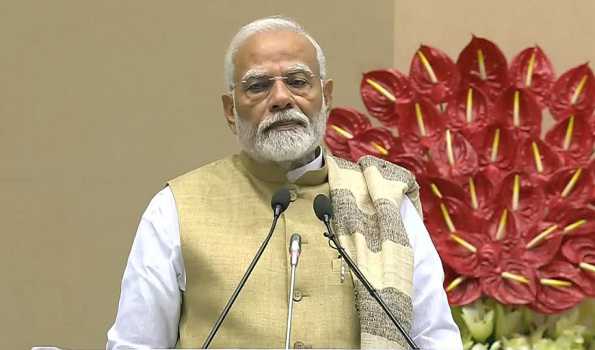
New Delhi: Prime Minister Narendra Modi on Wednesday participated in Swachhata Abhiyan to mark the birth anniversary of Mahatma Gandhi and urged all citizens to keep strengthening the Swachh Bharat Mission.
In a social media post, PM Modi said, “Today, on Gandhi Jayanti, I took part in Swachhata-related activities with my young friends. I urge you all to also take part in some or the other such activity during the day and, at the same time, keep strengthening the Swachh Bharat Mission.”
The day also assumed significance as the Swachh Bharat Mission completed 10 years, which was launched by Prime Minister Modi in 2014.
The Swachh Bharat Mission was divided into two components: SBM-Gramin for villages and SBM-Urban for cities. SBM-Gramin was executed by the Ministry of Drinking Water and Sanitation, while SBM-Urban was executed by the Ministry of Housing and Urban Affairs.
According to the WHO, there were 300,000 fewer diarrhoeal deaths in 2019 compared to 2014, directly attributable to improved sanitation.

The Ministry data showed that families in Open Defecation Free villages saved an average of Rs 50,000 annually on health costs, and with better access to sanitation facilities, 93 percent of women reported feeling safer at home.
In 2022, the government launched Swachh Bharat Mission (SBM) Urban 2.0 with a target of clearing around 2,400 legacy landfill sites in the country by 2025-26.
According to the data, big cities have made little progress in clearing legacy landfill sites. Only 38% of the total dumped waste has been remediated so far, with half of the sites still uncleared.
The SBM dashboard maintained by the Ministry of Housing and Urban Affairs showed that out of the 69 landfill sites in cities with populations over 1 million, land is yet to be cleared at 35 sites.