


Key Takeaways
- The US State Department has acknowledged a lack of resources to counter China and Russia’s influence in Africa, posing a challenge to US Africa relations.
- China’s investments in Africa’s infrastructure and natural resources have enabled it to secure vital resources and establish long-term partnerships, posing a challenge to the US.
- Russia’s growing influence in Africa’s security sphere has the potential to undermine American diplomatic and military engagement, particularly in regions where the US has strategic interests.
In a recent congressional meeting, John Bass, a senior official at the U.S. State Department, candidly admitted that the United States is falling behind in Africa due to a shortage of resources—both in terms of personnel and funding. The US faces a challenge in engaging effectively with African nations due to a shortage of resources. This gap is particularly concerning given the rapid growth of China’s and Russia’s influence across the continent.
According to Bass, the U.S. lacks the staff and financial resources needed to fully respond to emerging crises and build stronger relationships in Africa. He pointed out that the current budget and manpower levels are insufficient to meet the challenges posed by the increasing presence of global powers like China and Russia. The US risks being marginalized in Africa if it fails to invest adequately in the region. Africa holds significant economic, political, and strategic importance for the US, making it crucial to invest in the region.
China has been expanding its footprint in Africa for years, investing billions of dollars in large-scale infrastructure projects, green technologies, and education. Through initiatives like the Belt and Road Initiative (BRI), Beijing has strengthened its ties with African nations by providing much-needed financial support for infrastructure development. Chinese-funded railways, power plants, and ports now span the continent, enhancing China’s influence both economically and politically.
Russia, while not as financially invested as China, has been making significant inroads through military cooperation and security partnerships. The Kremlin has signed defense agreements with several African nations, offering military aid, training, and equipment to bolster stability and security in regions where government forces face significant threats from insurgencies and terrorism. This military collaboration has allowed Russia to build strong relationships with leaders in countries like Mali, the Central African Republic, and Sudan.

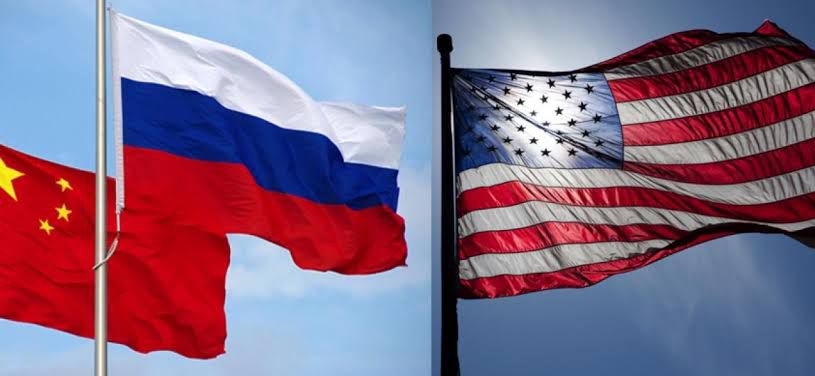
The U.S. is increasingly concerned about the implications of China and Russia’s growing influence in Africa. For China, its investments in critical infrastructure not only boost its economic leverage but also enable it to secure vital natural resources and establish long-term partnerships. As China extends its influence, the U.S. faces the challenge of competing with a country that has the financial capability and long-term vision to reshape Africa’s economic landscape.
Russia’s growing influence in the security sphere poses another challenge for the U.S., as African nations turn to Moscow for military aid and political alliances. The security partnerships that Russia offers could undermine American diplomatic and military engagement, especially in regions where the U.S. has strategic interests, such as counterterrorism efforts in the Sahel and Horn of Africa.
In light of these developments, the U.S. State Department’s admission of resource shortages highlights the urgent need for a renewed focus on Africa. Without significant increases in staffing and funding, the U.S. risks being sidelined in the race for influence in one of the world’s most dynamic and rapidly evolving regions. As China and Russia deepen their ties in Africa, the U.S. faces an uphill battle to regain its position as a leading partner on the continent.