



Key Takeaways
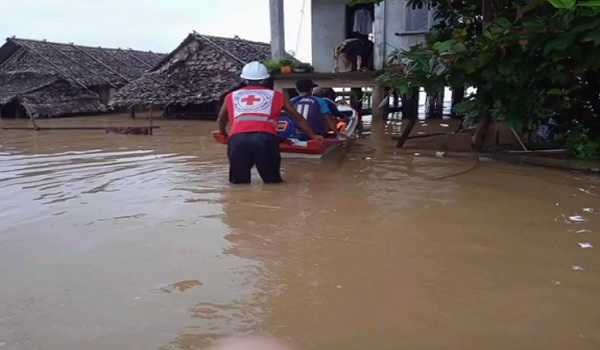
- Over 18,000 residents were moved to shelters across Kayin State.
- The Thanlwin River and other rivers exceeded danger levels, flooding townships such as Hpa-an and Myawaddy.
- Rail and road links, including routes between Yangon and Mawlamyine, were disrupted, highlighting severe transport impacts.
Yangon: Over 18,000 people have been relocated to shelters in southern Myanmar’s Kayin State due to rising river levels surpassing the danger mark, the state-run television channel MRTV has reported.
“We are establishing additional shelters in response to flooding across six townships in Kayin State,” the TV report cited U Saw Khin Maung Myint, spokesperson of the Kayin State government as saying on Thursday.
Currently, there are 11 shelters in Hpa-an township, eight in Hlaingbwe, and seven each in Kyainseikgyi and Kawkareik.
Additionally, there are eight shelters in Myawaddy and three in Hpapun, all within Kayin State.
Rivers in Kayin State including Thanlwin River have overflowed, and some sections of a major road connecting Kayin State’s capital Hpa-an and Mon State’s capital Mawlamyine were also inundated, he added.

Furthermore, some railway routes between Yangon and Mawlamyine were canceled on Tuesday due to flooding in sections of the railway tracks between Bago and Mawlamyine, the state media reported.
The country’s Department of Meteorology and Hydrology reported that six rivers across the Southeast Asian nation exceeded their danger levels on Wednesday afternoon.
The weather department also issued a warning for residents living near riverbanks or low-lying areas in Bago Region’s Madauk town and Bago township, Kayin State’s Hpa-an township, and Kachin State’s Mogaung township to remain vigilant about potential flood risks.
Ko Aye Hla, a Bago resident, told Xinhua on Thursday, “Despite experiencing annual floods, this year’s inundation is the most severe in approximately three years. The ground floor of my house is currently submerged.”
Some residents from Bago’s low-lying areas have been relocated to monasteries and shelters in higher regions, he added.