



Key Takeaways
- A major bushfire in Western Australia has destroyed three homes and five short-stay accommodation units, with emergency services working to contain the blaze.
- The bushfire is ‘contained but not controlled’, with firefighters working to consolidate containment lines and warn of persistent smoke.
- The Australasian Fire and Emergency Service Authorities Council has indicated that warmer and drier conditions will persist during autumn, increasing the risk of bushfire in areas of forest, woodland, and shrubland within the Swan Coastal Plain, Jarrah Forest, and Warren bioregions.
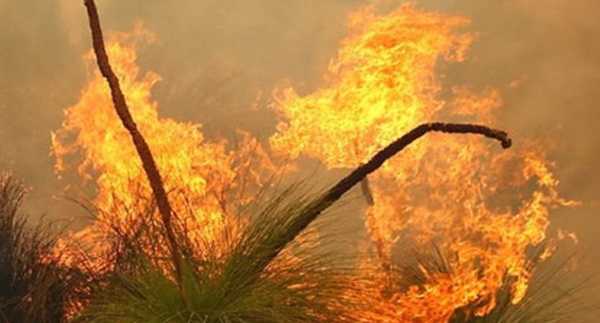
Sydney: Authorities said on Tuesday that the emergency level of a major bushfire in Western Australia (WA) has been downgraded after eight properties were damaged, while the blaze is “contained but not controlled.”
“It is not yet safe to return. Firefighting crews are actively working in the area to consolidate containment lines. Smoke is likely to persist throughout the day and people should drive to the conditions,” said the state’s Department of Fire and Emergency Services (DFES).
At about 12:16 p.m. local time on Saturday, emergency services received reports of a bushfire starting in a state forest west of Nanga Townsite. The location is about 90 km south of the state capital Perth, sitting close to the Waroona and Murray shires.
At its peak on Saturday night, embers were starting spot fires three to four km ahead of the head fire.

As of Monday afternoon, WA DFES Commissioner Darren Klemm confirmed that there was no loss of life reported, but the major blaze burnt down three homes and five short-stay accommodation units.
After sweltering under a hot, dry, and windy summer, much of the state has entered autumn with below-median moisture in the soil, surface fuels, and live vegetation.
A bushfire outlook from the Australasian Fire and Emergency Service Authorities Council indicated that warmer and drier conditions would persist during autumn.
“An associated increased risk of bushfire is expected in areas of forest, woodland, and shrubland within the Swan Coastal Plain, Jarrah Forest, and Warren bioregions,” said the council, underlining fire dangers in the state’s southwest region.