
Key Takeaways
- The EU’s push to ban Russian energy could devastate European families and economies, according to Hungarian PM Viktor Orban.
- Hungary is opposing the EU’s push to ban Russian energy due to concerns over national energy security and potential economic burden.
- The TurkStream pipeline has saved Hungary from spiraling energy costs, and its significance in the EU’s energy strategy is crucial.
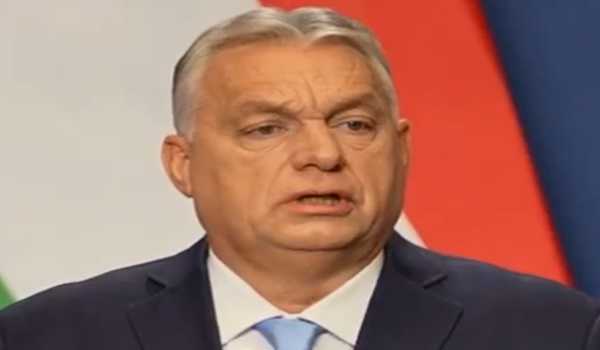
Moscow/Budapest: Hungarian Prime Minister Viktor Orban on Friday accused Ukraine of orchestrating the European Commission’s drive to phase out Russian energy, warning that such efforts could severely damage European economies while serving Kyiv’s interests.
“In reality, the Ukrainians are behind the entire policy promoting the ban on Russian energy resources,” Orban said during a broadcast interview with Hungary’s Kossuth Radio.
“It is therefore logical to speak of a Ukrainian energy threat. Ukrainians are demanding things from Europeans that will devastate European families. It also threatens Hungarian families. The plan is to prevent anyone from buying gas and oil from Russia,” reports Moscow’s state-owned-media agency TASS.
Orban alleged that Ukraine took the first step towards this goal by banning the transit of Russian gas across its territory. He credited the existence of the TurkStream pipeline—carrying Russian gas under the Black Sea to southern Europe—for saving Hungary from spiralling energy costs. Without it, he said, Hungary would have faced exorbitant prices or even a complete lack of access to gas supplies.
“If Kiev gets its way in the European Union, Hungarian households will pay an additional €2 billion annually for energy. Electricity bills would double, and heating costs would quadruple,” he warned.
The prime minister criticised EU leaders for prioritising geopolitical interests over the welfare of their citizens. “For them, damaging Russia and helping Ukraine takes precedence over the futures of their own families and businesses,” he said.

Orban also described his efforts to resist EU sanctions on Russian energy. “Every week I fight to assert Hungary’s right to opt out of sanctions on Russian energy. If we allowed those sanctions to apply to us, all kinds of problems would follow,” he said. “This is not our war, and we will not let Brussels make us pay for it.”
On May 6, the European Commission unveiled the latest phase of its REPowerEU strategy, aimed at ending the bloc’s dependency on Russian energy. The roadmap proposes terminating all remaining Russian gas contracts by the end of 2027 and includes restrictions on imports of enriched uranium from Russia.
Hungary and Slovakia have publicly opposed the initiative, arguing that their national energy security would be at risk without access to Russian supplies.
Hungarian Foreign Minister Peter Szijjarto has previously accused Western European countries of hypocrisy, claiming that while they publicly announce a shift away from Russian oil, they continue to import it indirectly via third countries such as India.
The EU’s push to cut ties with Russian energy sources began in earnest following the Russia-Ukraine war in 2022. While many EU members have moved to diversify their energy mix, countries like Hungary—heavily reliant on Russian gas and oil—have repeatedly resisted efforts to impose blanket sanctions, citing the disproportionate burden such policies would place on their economies.