

Key Takeaways
- The U.S. Supreme Court has allowed the Trump administration to end humanitarian parole for 500,000-plus migrants from Cuba, Haiti, Nicaragua, and Venezuela.
- This decision could expose hundreds of thousands of immigrants to deportation, including 350,000 Venezuelan migrants.
- The Trump administration’s decision to end humanitarian parole is part of its broader immigration policy, aimed at addressing the growing number of migrants arriving at the U.S.-Mexico border.
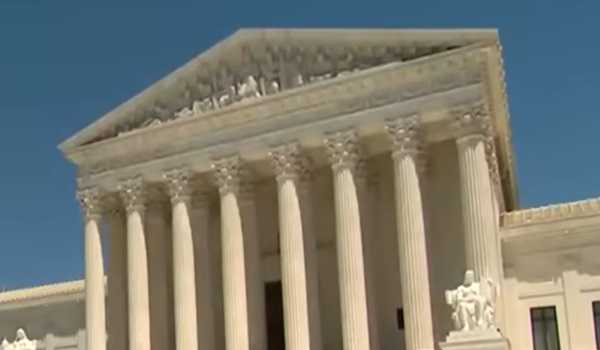
New York: U.S. Supreme Court on Friday lifted a federal district court order that kept humanitarian parole protections in place for more than 500,000 migrants from four countries: Cuba, Haiti, Nicaragua and Venezuela.
The court has also allowed the Trump administration to revoke temporary legal status for about 350,000 Venezuelan migrants in another case.
The U.S. Supreme Court’s decision has significant implications for hundreds of thousands of immigrants. Up to 350,000 Venezuelan migrants could lose their temporary legal status, and the total number of people at risk of deportation could reach nearly 1 million.
To address the growing number of migrants arriving at the U.S.-Mexico border, the Biden administration created a parole program for Cubans, Haitians, Nicaraguans and Venezuelans in late 2022 and early 2023, authorising them to work in the United States for two years after going through a certain process. The program protected roughly 532,000 people from the risk of deportation.

But soon after beginning his second term, President Donald Trump issued an executive order directing the Homeland Security Secretary Kristi Noem to terminate all parole programs. Acting on the executive order, Noem in March announced ending the parole program, with any grants of parole still in effect expiring by April 24.
A federal district court judge in Massachusetts agreed to halt Noem’s blanket revocation of migrants’ temporary legal status when a group of 23 individuals, including several parolees and a nonprofit organization challenged Noem’s termination of the program.
The Trump administration first appealed to the U.S. Court of Appeals for the 1st Circuit, which declined to pause the district court’s order pending appeal and then sought the Supreme Court’s intervention.