
Key Takeaways
- The Israel Defence Forces struck multiple targets in southern Syria, including command centers and sites containing weapons.
- Israel’s new policy for demilitarization of Syria involves the complete demilitarization of southern Syria from the buffer zone in the Syrian part of the Golan Heights to Damascus.
- The Syrian government’s armed forces are not allowed to occupy southern Syria, according to Israel’s new policy.
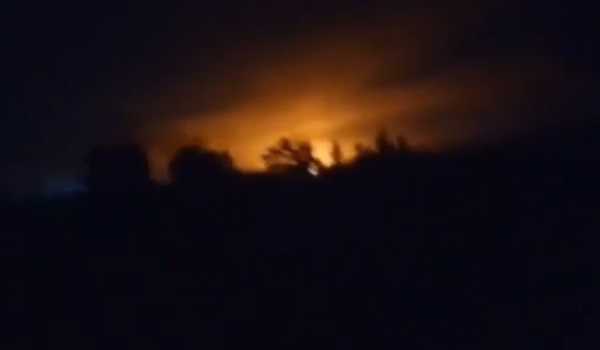
Beirut: A series of powerful explosions has been heard in Damascus amid Israeli planes spotted in Syria’s south, the Al-Watan newspaper reported on Wednesday.
The explosions sounded in the suburbs of the Syrian capital at the same time as Israeli aircraft passed over the Daraa province, the newspaper added.
Later in the day, the Israel Defence Forces said that it struck a number of targets in southern Syria “including command centers and multiple sites containing weapons.”
The strikes were directed against “military forces and assets” in Syria, which pose a threat to Israel, the IDF added on Telegram.
Following the strikes, Israeli Defence Minister Israel Katz said that Israel will respond to any attempt by the new Syrian government’s military or any other armed group to occupy southern Syria.

“We will not let Syria’s south turn into southern Lebanon. Any attempt by the Syrian regime and terrorist organisations to gain a foothold in the security zone in southern Syria will be met with fire,” the Defence Ministry quoted Katz as saying.
The minister also said that the strikes were conducted in line with Israel’s new policy for the demilitarization of Syria from the buffer zone in the Syrian part of the Golan Heights to Damascus.
Israeli Prime Minister Benjamin Netanyahu said in early February that Israel would not permit the new Syrian government’s armed forces on territory south of Damascus and is demanding complete demilitarization of southern Syria.
Syria’s armed opposition captured Damascus on December 8. Bashar Assad stepped down as Syrian president and left the country for Russia, where he was granted asylum. Mohammed al-Bashir, who ran the Idlib-based administration formed by Hayat Tahrir al-Sham and other opposition groups, was named interim prime minister. He later announced that an interim government had been formed and would remain in place until March 2025.